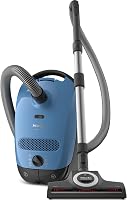
Eureka 3670M Canister Vacuum Review: Worth It? (October 2026)
The Eureka 3670M suits buyers who want bagged cleanup across floors, stairs and furniture. Choose it for its portable canister and included reach tools; choose a different model if bagless upkeep or a powered carpet head is your priority.
On this page (10 sections)
- The Eureka 3670M at a glance
- How does the Eureka 3670M fit different floors?
- What should you check before buying?
- How should you set up the 3670M for the first clean?
- How do you use it on stairs and above-floor surfaces?
- Bag changes and care that keep airflow steady
- Which common mistakes should you avoid?
- When is the Bissell Zing 2154A a better choice?
- When is the Eureka Whirlwind a better choice?
- Should you choose the Eureka 3670M?
The Eureka 3670M is a good fit for buyers who want bagged cleanup and a portable canister for floors, stairs and furniture. Choose it when carrying the vacuum and changing tools matter more than having a powered carpet head.
Its main buying decision is about your cleaning routine: replacing a dust bag, moving a separate canister and using attachments for different jobs. If those habits suit you, the 3670M deserves a place on your shortlist.
The Eureka 3670M at a glance
The 3670M combines an 8.6 lb body, a replaceable bag holding up to 2.5 L and a 12 A motor. It comes with 5 bags, 2 extension wands and 2 specialty attachments for floor and above-floor work.
Eureka 3670M: Best for portable bagged cleanup

- 8.6 lb weight
- Up to 2.5 L dust bag capacity
- 12 A motor
- 2 extension wands and 2 specialty attachments
Choose this bagged canister for cleaning floors, furniture and tight spaces with one tool set. Its extension wands help with reach, while replaceable bags keep cup emptying out of your routine.
Pros
- Portable canister for carrying between cleaning areas
- Replaceable bags collect dust and pet hair
- Extension wands and specialty tools for above-floor tasks
- Comes with 5 bags
Cons
- Compatible replacement bags are an ongoing supply
- Separate wands and tools need storage space
- Buyers needing a powered carpet head should choose around that requirement
Who should buy the Eureka 3670M?
Buy it if your cleaning route includes hard floors, rugs, furniture edges and small gaps that call for different tools. A canister lets you move the working end of the vacuum around a chair or under furniture while the body stays nearby.
Bagged collection also suits someone who wants to remove collected debris in a bag rather than pour loose dirt from a cup. You still need to fit the bag correctly and keep replacements ready.
Skip it if buying bags is a dealbreaker, or if most of your cleaning involves carpet that needs brush agitation. A carpet-focused purchase should start with the floor head, then narrow down the canister.
For a wider overview of layouts and cleaning styles, see our guide to canister vacuums and which one to buy.
How does the Eureka 3670M fit different floors?
The 3670M suits a mixed cleaning routine, but your most demanding floor should guide the purchase. Hard floors, loose rugs and thick carpet need different handling even when a vacuum is intended for all of them.
Hard floors and furniture edges
For hard floors, check the nozzle for trapped grit before each session and use the setting or attachment recommended for the surface. Dragging debris caught under a floor tool can mark a delicate finish.
Use slow, overlapping passes along baseboards and around table legs. Switch to a crevice tool for narrow gaps rather than forcing the floor nozzle into a space it cannot cover.
If wood floors make up most of your home, our best canister vacuum for hardwood floors guide explains which floor-tool details deserve priority.
Rugs and carpet
For rugs, aim for a nozzle that moves steadily without lifting the rug or bunching its edge. Follow the rug's care instructions, especially around fringe, loose loops and delicate fibers.
Motor amperage measures electrical draw, not carpet agitation. A larger amperage number is not a reason to choose this Eureka over a vacuum with a floor head better suited to your carpet.
If dense carpet covers most rooms, read what to expect from a canister vacuum on carpet before committing. Buyers who specifically need a rotating powered brush should start with our guide to what a canister vacuum powerhead does.
Pet hair and upholstery
The replaceable bag collects pet hair, but the surface holding that hair matters. Loose hair on a hard floor is a different job from hair worked into a fabric cushion or carpet pile.
For upholstery, check the furniture's care label and use an appropriate attachment with gentle passes. Pick another setup if removing embedded hair from large carpeted areas is your main reason for buying.
What should you check before buying?
Check floor-head suitability, replacement-bag fit and storage space before choosing the 3670M. Those details shape daily use more than a motor number or a long list of possible cleaning surfaces.
Start with the room that takes the most effort to clean. A vacuum that suits your kitchen but struggles with your main carpeted room is a poor match for the whole home.
Next, confirm that compatible bags are easy for you to keep stocked. Match the exact vacuum model when choosing supplies, since a bag that looks close can still fit the inlet poorly.
The body measures 17.5 x 9 x 11.3 inches. Allow extra space for the hose, wands and tools instead of measuring only the canister's footprint.
The hose length is 1.7 ft, so plan around the complete hose-and-wand setup for your intended jobs. Extra wand length helps reach a ceiling edge, but it does not give the hose more room to bend around furniture.
For car cleaning, think through outlet access and where the body will sit while you reach under seats. Keep it on a dry, stable surface and avoid stretching the hose across sharp edges.
How should you set up the 3670M for the first clean?
Seat the bag, check the filters and secure the tool connections before switching on the vacuum. Follow the manual for the assembly order and the correct position of each part.
With the vacuum unplugged, open the bag compartment and check that the bag inlet fits securely. Keep bag material clear of the lid so the compartment can close without pinching it.
Fit the hose and build only as much wand length as the job needs. A long wand helps with high corners, while a shorter setup is easier to control around a seat cushion or stair tread.
Choose the attachment before starting each area. Moving from the floor to a narrow gap works better when you change tools than when you try to make one nozzle do every job.
Clear socks, cords, small toys and sharp scraps from the route. These can block the hose or damage a bag, and removing them first saves repeated stops.
Start with an open section of floor and check that the tool moves comfortably. Stop and adjust if it catches on the surface rather than pulling harder.
How do you use it on stairs and above-floor surfaces?
Keep the canister stable and the tool within easy reach when cleaning stairs, furniture or high corners. Reposition the body whenever the hose becomes taut.
On stairs, work from a secure position and keep the canister away from a tread edge. Never balance it above you where a tug on the hose could pull it down.
Clean the tread, then the riser and corners with the right attachment. Our guide to vacuuming stairs with a canister vacuum explains how to organize the job without stretching between steps.
For high dusting, keep the wand close enough to control without leaning or overreaching. Move fragile objects first, and avoid pressing a tool against delicate trim or loose fabric.
Under car seats, remove coins, pens and other solid objects by hand before using the crevice tool. Keep the nozzle away from loose wiring and avoid forcing it into gaps where it may become stuck.
Bag changes and care that keep airflow steady
Check the bag and air path when pickup drops, rather than continuing to clean with weak airflow. A restricted bag, blocked tool or clogged hose can interrupt cleaning even when the motor still runs.
The starting bag supply gives you time to arrange replacements, but it is worth keeping a spare before you use the last one. Bag capacity is a limit, not a fixed schedule for changes.
Fine dust can clog bag material before the bag appears full. After a dusty job, check airflow and bag condition instead of waiting for the compartment to look packed.
Unplug the vacuum before opening it or clearing a blockage. Remove the bag carefully, fit its replacement securely and check that the compartment closes properly.
Follow the manual for filter care. The 3670M uses a foam filter, but that alone is not a reason to wash it or reinstall it while damp.
Use the vacuum for dry household debris and leave wet spills, hot ash and renovation dust to equipment intended for those jobs. Avoid vacuuming sharp fragments that could puncture the bag.
If cup emptying sounds more appealing, the bagless Eureka NEN110A Whirlwind offers a different upkeep routine. Our guide to bagged vs. bagless canister vacuums helps you choose which kind of dirt disposal you prefer.
Which common mistakes should you avoid?
Avoid choosing by motor size, pulling by the hose and delaying care when airflow drops. These habits either lead to the wrong purchase or make a simple cleaning job harder.
- Choosing by amperage alone: Match the floor head and tools to your surfaces first.
- Pulling a stuck canister by the hose: Walk back and reposition the body when it catches behind furniture.
- Waiting for a packed bag: Check sooner if pickup weakens or the motor sound changes.
- Forcing one tool through every task: Change attachments for upholstery, narrow gaps and open floors.
- Storing parts loosely across a walkway: Keep the hose, wands and small tools together where they will not become a trip hazard.
- Running with a loose bag connection: Stop and refit the bag before dust escapes into the compartment.
A sudden loss of pickup calls for a pause. Check the attachment, hose and bag in turn rather than making more passes over the same debris.
When is the Bissell Zing 2154A a better choice?
Choose the Bissell Zing 2154A for lower carrying weight and automatic cord rewind while keeping bagged collection. It weighs 7.5 lb and adds variable suction plus a switch for moving between carpet and hard floors.
That combination suits someone who lifts the canister often or puts it away after short cleaning sessions. Variable suction also gives you a way to adjust the pull for lighter above-floor work.
Its pre-motor and post-motor filters are washable and reusable, so bag replacement is only part of its care routine. Follow Bissell's cleaning and drying directions before reinstalling them.
Skip the Zing if your goal is to stop buying bags. Also, do not choose it solely because it is the lightest here if your main need is a specialized carpet head.
See the Bissell Zing 2154A among our lightweight canister picks if frequent lifting is the deciding factor.
When is the Eureka Whirlwind a better choice?
Choose the Eureka NEN110A Whirlwind if you prefer a dust cup to replacement bags. Its 2.5 L cup and washable filters trade bag stocking for regular emptying, cleaning and drying.
The handle has airflow control and an integrated crevice tool that switches to a dusting brush. That setup suits someone who frequently moves between open floor areas, corners and quick dusting jobs.
It also has a telescoping metal wand, swivel steering and automatic cord rewind. Those features are useful if adjusting reach and putting the vacuum away quickly are priorities.
Skip it if you dislike handling loose collected dust or will put off filter care. Emptying a cup near a bin and waiting for washed filters to dry must fit your routine.
For more choices, see our best canister vacuum picks. If you have already settled on disposable bags, narrow the search with our best bagged canister vacuum guide.
Should you choose the Eureka 3670M?
Choose the Eureka 3670M for bagged, multi-area cleanup when your route moves from floors to furniture, corners and stairs. Before ordering, settle the 2 practical questions: whether its floor tool fits your hardest cleaning job and where you will keep replacement bags.
Pick the Zing when frequent lifting, suction adjustment and cord rewind drive the decision. Pick the Whirlwind when avoiding bags matters more than avoiding cup and filter care.
If thick carpet is the main challenge, choose around the carpet head before returning to these models. Use our canister vacuum guide to match the vacuum style to the surfaces you clean most.
Frequently asked questions
Is the Eureka 3670M good for carpet?
The Eureka 3670M is designed for carpet, but choose around your carpet type and floor head needs. For a home dominated by thick carpet or embedded pet hair, prioritize a suitable powered brush head rather than motor amperage; for occasional rugs among hard floors, focus on nozzle movement and rug care instructions.
How heavy is the Eureka 3670M?
The Eureka 3670M weighs 8.6 lb; consider that weight alongside how often you'll lift the body, where you'll store it and how you'll manage the hose and wand. For stairs, keep the canister on a stable surface and work within comfortable reach instead of stretching the hose.
Does the Eureka 3670M use bags?
Yes, the Eureka 3670M uses replaceable dust bags with a capacity of up to 2.5 L and comes with 5 bags. Keep compatible replacements available, seat each bag correctly and check it when airflow drops; fine dust can restrict airflow before a bag looks completely full.
What comes with the Eureka 3670M?
The Eureka 3670M comes with 5 bags, 2 extension wands and 2 specialty attachments; its tool set supports floor and above-floor cleaning, including furniture, crevices and car interiors. Before starting, identify each tool and follow the manual for assembly so connections stay secure as you move.