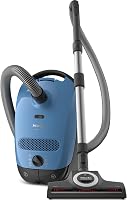
9 Best Canister Vacuum for Hardwood Floors (October 2026)
The best canister vacuums for hardwood floors include the Miele C1 Turbo Team for hardwood with rugs, the Miele C1 Pure Suction for mostly bare floors, and the Miele Guard M1 Parquet XL for large hardwood rooms.
On this page (7 sections)
- How we chose the best canister vacuum for hardwood floors
- Which canister vacuum suits your hardwood floors?
- What should you look for in a hardwood floor canister vacuum?
- How should you set up a canister vacuum for hardwood?
- How do you protect hardwood while vacuuming?
- What care keeps a hardwood canister vacuum useful?
- Which canister vacuum is best for your hardwood floors?
The Miele C1 Turbo Team is the best canister vacuum for hardwood floors in homes that also have rugs or low-medium pile carpet. Its separate parquet and turbo floorheads give each surface an appropriate tool.
For a home dominated by wood floors, focus on the hardwood attachment, carrying weight and dust disposal. A carpet attachment is useful only if you have carpet that needs it.
If you're new to canisters, start with our guide to what canister vacuums are and which one to buy. For a broader list, see our best canister vacuum picks.
Our picks at a glance
-
1

-
2

-
3

- 4
 Best for routine bagless cleaningCheck it
- 5
 Best for frequent stair carryingCheck it
- 6
 Check it
Miele Blizzard CX1 Pure Suction
Best for bagless hardwood households - 7
 Best for frequent surface changesCheck it
- 8
 Best for tight storage spacesCheck it
- 9
 Check it
Bissell Hard Floor Expert 1547
Best for bagless mixed-floor homes
How we chose the best canister vacuum for hardwood floors
Floorhead suitability comes first, followed by the needs of the rest of your home. We compared included attachments, intended surfaces, suction controls, dust collection and practical handling features.
A dedicated parquet brush earns its place in a wood-heavy home. A combination head can be the simpler choice when you want to clean bare floors and thin rugs without keeping a second attachment nearby.
The scores reflect those features and their fit for hardwood-focused cleaning. A lower-ranked model can still be your better choice if carrying weight, storage space or avoiding bags matters most.
We haven't used motor wattage as a shortcut for floor cleaning ability. The head must admit debris, move comfortably and suit the surface beneath it.
| Product | Best for | Floorheads | Collection | Weight | Our score |
|---|---|---|---|---|---|
| Miele C1 Turbo Team | hardwood with rugs | Parquet-3 and TurboTeQ | Bagged | 13 lb | 9.1 |
| Miele C1 Pure Suction | mostly bare floors | SBD 365-3 combination head | Bagged | 12 lb | 8.8 |
| Miele Guard M1 Parquet XL | large hardwood rooms | Parquet Twister XL and AllTeQ | Bagged | 14.8 lb | 8.4 |
| Eureka Hardwood Bagless | routine bagless cleaning | Floor and carpet modes | Bagless | 13.2 lb | 8.1 |
| Bissell Zing 2154A | frequent stair carrying | Switchable hard floor and carpet head | Bagged | 7.5 lb | 7.9 |
| Miele Blizzard CX1 Pure Suction | bagless hardwood households | Parquet Twister and AllTeQ | Bagless | 19 lb | 7.4 |
| Miele Guard L1 AllFloor | frequent surface changes | AllFloor and AllTeQ | Bagged | 14.8 lb | 7.2 |
| Miele Boost CX1 Hard Floors | tight storage spaces | Universal hard floor and low-pile carpet head | Bagless | 20.1 lb | 7.1 |
| Bissell Hard Floor Expert 1547 | bagless mixed-floor homes | Hard floor turbine and multi-surface foot | Bagless | 14 lb | 6.9 |
Which canister vacuum suits your hardwood floors?
Choose the Turbo Team for hardwood plus rugs, then narrow the alternatives by your biggest daily constraint. Large open rooms, frequent stair carrying and bagless disposal call for different choices.
Miele C1 Turbo Team: Best for hardwood with rugs
- Parquet-3 floorhead
- TurboTeQ head for low-medium pile carpet
- Six suction settings
- Three-tier AirClean filtration
Separate hardwood and carpet heads make this the strongest fit for homes where wood floors share space with rugs and low-medium pile carpet.
Pros
- Dedicated parquet brush
- Separate turbo head for low-medium pile carpet
- Adjustable suction for different surfaces
Cons
- Requires replacement bags
- Changing surfaces can mean swapping floorheads
Best canister vacuum for hardwood floors with rugs: Miele C1 Turbo Team
The Miele C1 Turbo Team suits buyers who want a dedicated tool for wood and a separate tool for rugs. Its Parquet-3 floorhead covers hard floors, while the TurboTeQ head is intended for low-medium pile carpet.
The useful distinction is the split between jobs. You can leave the parquet tool on for a full pass over the wood, then change heads before cleaning rugs instead of using one attachment for everything.
Six suction settings help you find a level that picks up debris without making a rug difficult to push across. The dusting, crevice and upholstery tools also let you clean furniture and edges during the same session.
Its bagged AirClean system uses a FilterBag, motor protection filter and exhaust filter. Keep compatible replacement bags available so a full bag doesn't interrupt your routine.
Skip it if your home has no rugs and you prefer one floorhead. Our Miele C1 Pure Suction vs Turbo Team comparison helps decide whether the extra carpet tool earns its place.
Miele C1 Pure Suction: Best for mostly bare floors
- Combination floorhead
- Six suction settings
- Three-tier AirClean filtration
- Dusting, crevice and upholstery tools
A single combination head keeps cleaning simple in homes with mostly hardwood and a few low-pile rugs.
Pros
- One head for hardwood and low-pile carpet
- Adjustable suction
- Dusting, crevice and upholstery tools included
Cons
- No separate parquet brush included
- Less suited to carpet-focused cleaning
The Miele C1 Pure Suction is the simpler choice for mostly hardwood with a few low-pile rugs. Its SBD 365-3 combination floorhead covers both surfaces without a separate parquet attachment to store.
That setup suits a small home where cleaning moves quickly from a wood hallway to a thin rug. Use the head's appropriate surface setting rather than leaving it configured for carpet throughout the room.
It shares the bagged, three-tier AirClean approach of the Turbo Team. Its suction adjustment is useful around lightweight rugs, while the included small tools cover sofa seams, baseboard gaps and shelves.
Choose it when your carpet needs are modest and one floorhead sounds easier than swapping tools. A dedicated parquet brush should take priority if that's the attachment you specifically want.
Skip this model if low-medium pile carpet is a large part of the job. Our Miele C1 Pure Suction review explains where this simpler setup fits.
Miele Guard M1 Parquet XL: Best for large hardwood rooms
- Parquet Twister XL floorhead
- AllTeQ universal floorhead
- Foot-controlled suction levels
- 36 ft operating radius
The XL parquet brush suits broad hardwood areas, while foot controls and an adjustable wand support a room-to-room routine.
Pros
- Dedicated XL parquet brush
- Foot-controlled power adjustment
- Integrated cleaning accessories
Cons
- Not compatible with Miele electric floorheads or accessories
- XL brush may be less convenient between closely spaced furniture
The Miele Guard M1 Parquet XL suits large hardwood rooms where a broad brush has room to work. Miele designs its Parquet Twister XL for gentle hard floor cleaning, with an AllTeQ universal head included for thin carpet.
Open living areas make more sense for this setup than rooms filled with closely spaced furniture. Before choosing an XL tool, think about the gaps between chair legs and the narrow paths beside beds.
Its 36 ft operating radius helps with room-to-room reach, but that figure includes the cleaning assembly rather than describing cord length alone. Plan outlet access around your actual layout.
Foot-controlled power adjustment and an adjustable wand help you set up the vacuum without repeatedly bending down. The integrated accessories keep smaller cleaning tools nearby.
Skip it if you expect to add an electric carpet head later, because this model doesn't accept Miele electric floorheads or accessories. See our Miele canister vacuum models guide for the wider range.
Eureka Hardwood Bagless: Best for routine bagless cleaning
- 2-liter dust cup
- HEPA filter
- Floor and carpet switch
- Washable filter and dust cup
Choose this for everyday hard floor cleaning if you prefer emptying a dust cup and washing its filter to replacing bags.
Pros
- No replacement dust bags
- Washable cup and filter
- Foot-activated surface switch
Cons
- Emptying exposes collected dust
- Washed parts must dry fully before reuse
The Eureka Hardwood Bagless suits buyers who prefer a reusable dust cup to replacement bags. Its 2-liter cup and washable filter make emptying, washing and drying part of the ownership routine.
The foot-activated floor and carpet switch is useful when moving between bare boards and rugs. Change the setting at the surface boundary so you don't finish a room with the head configured for the wrong job.
A crevice tool helps with narrow gaps along furniture, while the dusting brush suits above-floor dusting. These tools are more useful than repeatedly forcing the full-size head into spaces it can't reach.
Choose this model if you have somewhere to empty dust and leave washed parts to dry fully. Keep the cup below its fill limit rather than packing it tightly.
Skip it if avoiding contact with loose collected dust is your priority. Our bagged vs bagless canister vacuum guide explains which disposal routine may fit you better.
Bissell Zing 2154A: Best for frequent stair carrying
- 7.5 lb weight
- Variable suction
- Automatic cord rewind
- Washable and reusable filters
The lightest canister here suits buyers who regularly carry their vacuum between floors and want bagged dust disposal.
Pros
- Lightest pick in this group
- Variable suction
- Automatic cord rewind
Cons
- Requires replacement bags
- No dedicated parquet brush
The Bissell Zing 2154A is the clearest choice here for frequent carrying. At 7.5 lb, it's the lightest canister in this group, which matters when the vacuum lives downstairs but bedrooms are upstairs.
Its bagged collection avoids pouring a dust cup into the trash. The washable pre-motor and post-motor filters still need care, so choosing bags doesn't remove every maintenance task.
Variable suction helps with bare floors, rugs and above-floor cleaning. The surface switch lets you move between hard flooring and carpet, and automatic cord rewind simplifies putting it away.
Choose it when lifting the machine is a bigger concern than having a dedicated parquet tool. Remember that you'll also handle a hose and wand when carrying a canister between floors.
Skip it if your main goal is a separate wood-floor attachment. Our lightweight canister vacuum guide offers more help with carrying weight and handling.
Miele Blizzard CX1 Pure Suction: Best for bagless hardwood households
- Parquet Twister floorhead
- AllTeQ universal floorhead
- 2-liter dust bin
- Hygiene Lifetime filter
A dedicated parquet brush makes this a useful bagless choice for wood floors when carrying weight is a secondary concern.
Pros
- Dedicated parquet brush included
- Separate universal floorhead
- Integrated cleaning accessories
Cons
- Heavy for regular stair carrying
- Dust bin needs manual emptying
The Miele Blizzard CX1 Pure Suction suits a bagless household that still wants a dedicated parquet brush. It includes a Parquet Twister plus an AllTeQ universal head for smooth floors and low-pile carpet.
This is a useful distinction from bagless models that include only a universal floorhead. You can choose the attachment around your wood floors without giving up a separate option for thin rugs.
Its adjustable wand and integrated accessories support floor-to-furniture cleaning. Miele describes the Hygiene Lifetime filter as maintenance-free, but the dust bin still needs emptying and the air path needs attention if a blockage develops.
The main reason to skip it is carrying weight: the canister weighs 19 lb. It makes more sense where it can roll through most of the cleaning route than where it must travel up stairs each time.
Choose it for the attachment package and bagless collection together. Our best bagless canister vacuum guide compares alternatives.
Miele Guard L1 AllFloor: Best for frequent surface changes
- AllFloor floorbrush
- AllTeQ universal floorhead
- Foot-controlled power settings
- Integrated handle dusting brush
The AllFloor brush and tools close to hand suit homes where cleaning often moves between hardwood, thin carpet and furniture.
Pros
- AllFloor brush for mixed surfaces
- Dusting brush integrated into handle
- 360-degree DynamicDrive caster wheels
Cons
- Not compatible with Miele electric floorheads or accessories
- No dedicated parquet brush included
The Miele Guard L1 AllFloor suits homes where the cleaning route repeatedly crosses between hardwood and thin carpet. Its AllFloor brush is designed for mixed surfaces, with an AllTeQ universal head also included.
The reason to consider it is convenience across the route. A dusting brush integrated into the handle and a 2-in-1 upholstery and crevice nozzle keep furniture cleaning close at hand.
Foot-controlled power settings let you adjust suction without bending to a hand-operated dial. DynamicDrive caster wheels are designed for movement around the home, though you should still guide the canister around furniture rather than pull it into corners.
Choose it if frequent surface changes and access to small tools matter more than a dedicated parquet brush. It uses bags, so include replacements in your care routine.
Skip it if you want an electric floorhead upgrade, which this model doesn't support. For a carpet-heavy home, read are canister vacuums good for carpet? before choosing.
Miele Boost CX1 Hard Floors: Best for tight storage spaces
- Compact bagless body
- Four suction settings
- Universal floorhead
- TrackDrive wheels
The compact body suits limited storage space, but its carrying weight makes it better for one-level cleaning than frequent trips upstairs.
Pros
- Compact body
- Adjustable suction
- Side parking for wand and floorhead
Cons
- Smallest dust capacity here
- Heaviest pick despite compact size
The Miele Boost CX1 Hard Floors suits limited storage space better than frequent stair carrying. Its compact body measures 16.25 x 11.1 x 11 inches, but it weighs 20.1 lb, the most in this group.
That difference matters: small dimensions don't always mean a light machine. Measure the storage spot with room for the hose and wand, rather than checking only whether the body fits.
Its universal floorhead covers hardwood and low-pile carpet, with suction adjustment for different jobs. Miele designs the TrackDrive side-wheel arrangement to help the canister stay on course.
The 1-liter dust cup is the smallest here. Choose it if you prefer short cleaning sessions and are comfortable emptying the cup rather than letting debris build up.
Skip it for large debris loads or regular carrying between floors. If compact bagless storage isn't essential, our best bagged canister vacuum picks offer another route.
Bissell Hard Floor Expert 1547: Best for bagless mixed-floor homes
- Hard floor turbine foot
- Separate multi-surface foot
- Bottom-opening dirt tank
- Automatic cord rewind
Separate hard floor and rug tools suit buyers who want bagless collection and don't mind changing heads as they clean.
Pros
- Hard floor turbine tool
- Separate tool for rugs and carpet
- Onboard accessory storage
Cons
- Requires floorhead changes for different jobs
- Dirt tank needs emptying and care
The Bissell Hard Floor Expert 1547 suits buyers who want bagless collection with separate tools for wood and rugs. Bissell designs its hard floor turbine foot for hard surfaces and includes a multi-surface foot for area rugs and carpet.
Use the hard floor tool for the wood portion of your route, then change attachments for rugs. Keeping the second head near the room where you need it can make that routine less awkward.
The metal telescoping wand helps you set a comfortable reach. Onboard accessory storage also gives smaller tools a place to return after cleaning edges or furniture.
Its bottom-opening dirt tank releases debris into the trash, but you still need to watch for dust escaping during disposal. Hold the tank close to the bin instead of opening it from a height.
Choose it if you're comfortable switching heads and caring for a bagless tank. Skip it if you want one universal attachment or specifically prefer a parquet brush.
What should you look for in a hardwood floor canister vacuum?
Start with a hard-floor-safe attachment, then match the rest of the vacuum to your rugs, layout and disposal preferences. Motor size should come after those practical needs.
Match the floorhead to your floors and rugs
A parquet brush is a direct fit for wood-focused cleaning. A combination head can be more convenient for hardwood with a few thin rugs, especially when storage space is limited.
Follow your floor manufacturer's attachment advice for the finish you have. A tool intended for hard floors still needs clean contact surfaces and careful use.
For thick carpet, choose around carpet requirements too. Our guide to canister vacuums with a powerhead explains why an appropriate carpet attachment matters.
A turbo brush is driven by airflow, while an electric powerhead uses a motor to drive its brush. Neither attachment type should be treated as a reason to use a carpet brush on wood.
Choose the disposal routine you'll maintain
Bagged models let you remove collected debris in a bag, which reduces the need to pour loose dust into a trash bin. You'll need a supply of compatible bags and a routine for checking fullness.
Bagless models let you see collected debris and avoid dust bags. In exchange, expect cup emptying and the filter care required by the manual.
Our bagged canister vacuum guide and bagless canister vacuum guide help compare those routines. A filter's name alone shouldn't decide the purchase, since disposal and correct assembly also affect dust handling.
Check the whole cleaning route
Think about stairs, thresholds, outlet locations and where the vacuum will live. A larger tool may suit an open living room but feel awkward in a dining area packed with chairs.
Operating radius includes the reach of the cleaning setup, so don't read it as cord length. A well-placed outlet can matter more than extra reach if furniture blocks your route.
If stairs are part of every cleanup, read how to vacuum stairs with a canister vacuum. Plan where the body can sit securely before choosing around hose reach.
Account for pet hair beyond the floor
Loose hair on wood and hair worked into upholstery are different jobs. Check the included furniture tool as well as the floorhead if your pet spends time on sofas or rugs.
Our best canister vacuums for pet hair focuses on those needs. Don't choose a carpet-focused attachment package solely for loose hair on bare boards.
How should you set up a canister vacuum for hardwood?
Fit the correct floor tool, check the contact surfaces and adjust the wand before starting. A few minutes spent on setup can prevent an awkward cleaning routine.
- Clear the route. Pick up cords, small toys and sharp objects that could block the head or scrape the finish.
- Inspect underneath. Remove grit caught in bristles or wheels, and check for damaged parts that touch the floor.
- Check collection and filters. Seat the bag or cup correctly, confirm the filters are installed and check the fill level.
- Set the floorhead. Use the hard floor position on a combination head or attach the dedicated hard floor brush.
- Adjust your reach. Set the wand so you can stand comfortably without stretching your arm far ahead.
- Choose manageable suction. Start at an appropriate setting and adjust if the head grips a rug or becomes difficult to move.
Make the first pass over a small, clear area and check that the head moves freely. Stop if it catches, scrapes or makes an unusual sound rather than forcing it forward.
Keep the canister close enough that the hose has some slack. Reposition the body before reaching around a corner instead of pulling harder from the far end of the wand.
How do you protect hardwood while vacuuming?
Keep grit out of the contact points and move the head with controlled passes. Even a suitable hardwood attachment can drag trapped debris across a finish.
Lift sharp debris carefully rather than chasing it around the room with the floorhead. Don't force large pieces through an opening that can't admit them.
Work from the far side of the room toward the exit, using overlapping passes. Clean along edges with an appropriate small tool instead of grinding the floorhead against baseboards.
Guide the canister around table legs and thresholds. If it catches, move the body by its intended handle rather than jerking the hose until it jumps free.
Stay away from wet spills unless the vacuum is explicitly designed to collect liquids. For routine hardwood care, vacuum dry debris first and follow your flooring maker's instructions for any damp cleaning afterward.
Common mistakes that make cleaning harder
Too much suction can make a head difficult to push, especially on a light rug. Reduce power before assuming the vacuum needs more force.
Don't keep a carpet attachment on just to avoid changing tools. Group your cleaning by surface so each floorhead stays on for a useful stretch.
Avoid rubbing stuck-on food or sticky marks with the vacuum head. Remove those marks using the floor maker's approved method so they don't soil the bristles or spread across the boards.
What care keeps a hardwood canister vacuum useful?
Check the bag or cup, floorhead and filters regularly, and follow the model's manual for cleaning intervals. Reduced pickup is a reason to inspect the air path before increasing power.
Empty a cup at its marked limit and replace a bag according to its indicator or instructions. Fine dust can restrict airflow even when the container doesn't look packed with bulky debris.
Remove hair and threads from the floor tool using the method allowed in the manual. Inspect wheels too, since wound hair can stop them rolling freely.
Wash only parts identified as washable. Let them dry fully for the required time before reinstalling them, and don't assume every filter can go under a tap.
If pickup drops suddenly, switch off and unplug the machine before checking the head, wand and hose for blockages. Reassemble connections securely before starting again.
Store the vacuum with the hose loosely arranged and attachments supported. Use cord rewind with the plug guided by hand so it doesn't whip against furniture or the floor.
Which canister vacuum is best for your hardwood floors?
The best canister vacuum for hardwood floors is the one whose attachments and handling fit your actual cleaning route. Choose the Turbo Team for wood plus rugs, the Pure Suction for mostly bare floors, or the Guard M1 for broad hardwood areas.
Pick the Zing when frequent carrying is the main obstacle. For bagless collection, choose Eureka for a washable cup-and-filter routine or the Blizzard when a dedicated parquet brush is essential.
The Guard L1 fits frequent surface changes, while the Boost suits tight storage if its weight and small cup work for you. The Bissell Hard Floor Expert suits buyers comfortable changing between separate hard floor and rug tools.
Before ordering, settle 3 points: which head you'll use on wood, where you'll store the full assembly and how you'll dispose of dust. If that last choice is still open, use our bagged vs bagless canister vacuum guide to choose your maintenance routine.
Our top 3 picks at a glance
-
1
-
2
-
3
Frequently asked questions
What type of canister vacuum is best for hardwood floors?
Choose a canister with a floorhead intended for hard surfaces and suction you can manage comfortably. A dedicated parquet brush suits wood-focused cleaning, while a combination head can cover hardwood and thin rugs; if carpet fills several rooms, choose the carpet tool separately rather than expecting a hardwood brush to do everything.
Can a canister vacuum scratch hardwood floors?
Yes, trapped grit, damaged wheels or an unsuitable floorhead can scratch hardwood. Check the underside of the tool and the canister wheels before cleaning, and remove sharp debris rather than pushing it across the floor; follow your flooring maker's care instructions, especially for worn finishes or recently refinished boards.
Is a bagged or bagless canister better for hardwood floors?
Either type can suit hardwood when it has the right floorhead. Bagged models let you discard collected debris in a replacement bag, while bagless models require emptying and cleaning a cup; choose the routine you'll maintain consistently, and include bags or filter care in your long-term ownership plan.
Do you need a powerhead for hardwood floors?
No, hardwood doesn't require a powered carpet head; use a tool intended for hard surfaces, then choose a separate carpet head if your rugs need one. Our guide to canister vacuums with powerheads explains the differences between suction-only, air-driven and electrically powered floor tools so you can match the attachment to the surface.