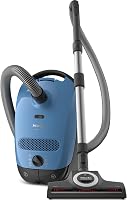
Miele C1 Pure Suction vs Turbo Team: Worth the Upgrade? (October 2026)
Choose the Miele C1 Turbo Team for mixed floors with medium pile carpet. Pick the Pure Suction for mostly hard floors and thin rugs; the upgrade buys a different floorhead setup, not more suction settings.
On this page (10 sections)
- Miele C1 Turbo Team vs Pure Suction: what changes?
- Which one suits your floors?
- Is the Turbo Team upgrade worth it?
- What do weight and storage mean in daily use?
- What do both C1 models have in common?
- How should you set up and use either C1?
- What care prevents avoidable cleaning problems?
- Is there a third Miele option for hard floors?
- Which Miele C1 should you pick?
- Sources
The Miele C1 Turbo Team is worth the upgrade for homes with medium pile carpet alongside hard floors. Choose the Pure Suction if hard surfaces dominate and your rugs are thin enough for its combination head.
The choice is mostly about the tool touching your floor. Buying the Turbo Team makes sense when you'll use its carpet brush regularly, rather than keep it in a closet for an occasional rug.
The Miele Classic C1 Turbo Team review and Pure Suction review cover each model separately. Here, the focus is choosing the package that fits your rooms and cleaning routine.


Miele C1 Turbo Team vs Pure Suction: what changes?
The floorhead package and intended carpet range are the main differences. Both C1 models offer the same number of suction settings, so the Turbo Team upgrade should not be read as a promise of stronger suction.
| Feature | Miele C1 Turbo Team | Miele C1 Pure Suction |
|---|---|---|
| Floorheads | STB 305-3 TurboTeQ and SBB Parquet-3 | SBD 365-3 combination |
| Intended floors | Hard floors and low to medium pile carpet | Hard floors and low pile carpet |
| Suction settings | 6 | 6 |
| Included small tools | Dusting, crevice and upholstery | Dusting, crevice and upholstery |
| Weight | 13 lb | 12 lb |
With the Turbo Team, you change heads when moving between carpet and hard flooring. With the Pure Suction, one combination head covers both of its intended surfaces.
That difference affects how you clean a mixed floor plan. Separate heads are easy to work into a room-by-room routine, while one head is convenient when you repeatedly cross between bare flooring and thin rugs.
What does the Miele C1 Turbo Team add for carpet?
The Turbo Team adds a dedicated TurboTeQ brush head for its carpet work. A rotating brush can help loosen debris caught among carpet fibers, while suction carries that debris into the vacuum.
Brush action also means another part to keep clear of wrapped hair and threads. Before using any rotating brush on a delicate rug, check the rug's care instructions for restrictions.
Don't assume a turbo brush and an electric powerhead are interchangeable choices. Our explanation of what a powerhead on a canister vacuum is helps you decide which type of carpet tool your home needs.
Which one suits your floors?
Choose for the most demanding floor you clean regularly, then consider the rest of the home. A small room of medium pile carpet can matter more to this decision than a large area of easy-to-clean tile.
Start by walking through every room and noting hard flooring, short carpet, deeper carpet and delicate rugs. Include rooms you clean less often so the vacuum doesn't leave part of the home without a suitable head.
Choose Turbo Team for carpeted rooms and hard floor zones
The Turbo Team suits homes with carpeted bedrooms and hard floor living areas. Its two-head arrangement works well when you finish the carpeted rooms before switching tools for the bare floors.
Skip it if you have thick carpet beyond medium pile or rugs whose care instructions prohibit brush action. A model aimed at the right carpet type is a better choice than trying to overcome a mismatch with higher suction.
Don't select it just because you might add carpet someday. Buy around your current floors unless a planned flooring change is already definite.
Choose Pure Suction for bare floors and thin rugs
The Pure Suction suits a home where hard flooring does most of the work in the decision. A few low pile rugs don't automatically justify a separate carpet brush.
Its single head also suits small rooms where you'll move between several surfaces during one pass. There is less equipment to carry along or retrieve from storage.
Skip it if medium pile carpet is a normal part of your weekly cleaning. For a wider hard floor comparison, see the best canister vacuum for hardwood floors guide.
Let rug care instructions override pile alone
A rug's weave and fibers can matter as much as its height. Loose fringe, delicate fibers and some looped surfaces need care around rotating brushes.
Start with the rug maker's directions and keep fringe away from the intake. If a rug lifts or bunches as you clean, reduce suction rather than forcing the head across it.
Is the Turbo Team upgrade worth it?
The upgrade is worth choosing when the carpet head solves a regular cleaning need. It is less useful when every floor in your home already falls within the Pure Suction's intended range.
Think in cleaning sessions, not just room counts. A carpeted bedroom used daily gives the extra head a clearer purpose than a thin guest-room rug that rarely needs attention.
For pet households, separate floor cleanup from furniture cleanup. Hair on carpet raises a floorhead question, while hair on a sofa calls for an upholstery tool and attention to the fabric's care instructions.
Do not assume the Turbo Team package makes every pet task easier. Both C1 models include an upholstery tool, so the stronger reason to choose between them remains the flooring.
Also consider how often you will change tools. If you clean the whole home in one session, grouping similar floors together reduces swaps without giving up a surface-specific head.
For choices beyond these packages, the Miele C1 vs C3 comparison explains the broader families. The guide to Miele canister vacuum models helps place each option within the range.
What do weight and storage mean in daily use?
The Pure Suction is the lighter choice, while the Turbo Team needs space for a spare floorhead. Carrying and storage deserve more attention if your home has stairs or a crowded cleaning closet.
Both C1 canisters measure 18.2 x 11 x 8.7 in. Measure space for the hose, wand and attachments too, since the body dimensions alone don't describe the full storage footprint.
A spare head is useful only if you can reach it easily. Keep both heads together in a dry, accessible spot instead of storing one behind boxes where changing tools becomes a chore.
On stairs, plan where the canister can rest securely before you begin. Don't balance it on a narrow tread or use the hose to pull it up behind you.
Our guide to vacuuming stairs with a canister vacuum explains how to organize the work. The carrying route may matter more than a modest difference in body weight.
What do both C1 models have in common?
Both C1 models use bags and three-stage AirClean filtration. These shared features are reasons to consider the C1 family, rather than reasons to pay for one floorhead package over the other.
Each system includes a Miele FilterBag, motor protection filter and AirClean exhaust filter. Plan for replacement supplies as part of ownership, and follow the model's instructions for fit and replacement intervals.
The dusting brush suits appropriate shelves and other small surfaces, the crevice tool reaches narrow gaps, and the upholstery tool handles fabric surfaces where vacuuming is allowed. Choose the attachment for the task instead of stretching a floorhead into every corner.
Miele backs both C1 models with a 1-year limited warranty. Check the coverage terms before buying, especially if warranty support is part of your reason for choosing the brand.
If you're still deciding whether bags fit your routine, read bagged vs bagless canister vacuums. That choice affects disposal and ongoing supplies more than the difference between these two C1 packages.
How should you set up and use either C1?
Start with the correct head, secure connections and a suction level suited to the surface. A few checks before the first room make the vacuum easier to use and help avoid dragging the wrong tool across a floor.
Read the manual, check that the bag and filters are seated correctly, and connect the hose, wand and head as directed. Never run a bagged vacuum without its required bag and filters.
Pick up coins, cords, long threads and larger scraps before vacuuming. Keep rug fringe clear, and inspect the floorhead for anything that could catch or scratch.
Use the hard floor head or the appropriate combination-head setting on bare surfaces. Check underneath it before moving from a gritty entryway to delicate flooring.
Adjust suction when the head becomes hard to push or a rug starts lifting. Maximum suction is not the right starting point for every surface, especially loose rugs or upholstery.
Work in slow, overlapping passes instead of moving quickly across the room. Guide the canister around corners, leaving enough hose slack that it doesn't tug against furniture.
For low furniture, approach with the wand and floorhead rather than trying to push the canister underneath. Stop if the tool catches instead of forcing it against the furniture or floor.
What care prevents avoidable cleaning problems?
Keep the air path and floorhead clear, and follow the manual's bag and filter schedule. Loss of pickup calls for a check of the system before you assume the vacuum needs more suction.
Unplug the vacuum before inspecting or clearing it. Check the bag, head opening, wand and hose for obstructions, following the manual for access and reassembly.
Hair and thread can wrap around a rotating brush. Remove buildup as instructed, and avoid cutting near bristles or other parts that could be damaged.
Inspect nonrotating heads too. Packed debris at the intake or grit caught underneath can interfere with cleaning even when there is no brush roll to clear.
Do not wash bags or filters unless the instructions explicitly allow it. Let any part approved for wet cleaning dry fully before reinstalling it.
Avoid damp debris and fine renovation dust unless the vacuum is approved for that job. Store the machine and replacement supplies somewhere dry, with the hose free from sharp bends.
Is there a third Miele option for hard floors?
The Miele Guard M1 Parquet XL suits broad hard floor areas where its XL brush and convenience features have a clear purpose. It belongs in this comparison as a hard floor alternative, rather than a step up for deeper carpet.
It pairs a Parquet Twister XL head with an AllTeQ universal head for hard floors and low pile carpet. The 36 ft operating radius describes overall working reach, not cord length alone.
Its height-adjustable EasySlide wand, ergonomic handle, integrated accessories and Parking System may appeal if you want tools close at hand during a longer cleaning session. It has four suction levels and weighs 14.8 lb.
Skip it if carrying weight is your main concern or you want a path to an electric carpet head. It is not compatible with Miele electric floorheads or accessories.
For help comparing families, see which Miele canister vacuum models mean what. If carpet drives the decision, compare the best canister vacuums with a powerhead before committing to a hard floor package.
Which Miele C1 should you pick?
Choose the Miele C1 Turbo Team when medium pile carpet earns its place in your cleaning routine. Choose Pure Suction when hard floors and thin rugs make one combination head enough.
Before ordering, settle three points: your deepest regular carpet, any rug restrictions on brush use, and where you'll store the equipment. Those answers are more useful than choosing the package with the most attachments.
Consider the Guard M1 Parquet XL if spacious hard floor areas, working reach and integrated tools are your priorities. For a final check against other Miele options, use the best Miele canister vacuum guide.
Sources
Miele's model pages provide further details on the floorhead packages and intended surfaces.
Frequently asked questions
What is the difference between the Miele C1 Turbo Team and Pure Suction?
The main difference is the floorhead package: the Turbo Team has a TurboTeQ carpet head and a separate parquet head, while the Pure Suction uses one combination head. Choose between them by carpet pile and your willingness to change heads, rather than by the number of suction settings.
Is the Miele C1 Turbo Team worth upgrading to?
Yes, if medium pile carpet is part of your regular cleaning route; the Turbo Team's carpet head makes it the closer match for that home. If you mainly clean hard floors with a few thin rugs, the Pure Suction offers a simpler setup without a spare floorhead to store.
Can the Miele C1 Pure Suction clean carpet?
Yes, the Pure Suction is designed for low pile carpet as well as hard floors; it suits thin rugs and short, dense carpet better than a home centered on medium pile flooring. Check your carpet's care instructions, especially for looped fibers, loose edges or delicate woven rugs.
Does the Turbo Team include a hard floor brush?
Yes, the Turbo Team includes an SBB Parquet-3 floorhead for hard floors, alongside its STB 305-3 TurboTeQ carpet head. Use the head meant for each surface and inspect its underside before moving onto delicate flooring; trapped grit should be removed before you start the next room.
How does the Guard M1 Parquet XL compare?
The Guard M1 Parquet XL suits hard floor homes that want an XL parquet brush, an adjustable wand and integrated accessories; its universal head also covers low pile carpet. It is heavier than either C1 and cannot use Miele electric floorheads, so it is not a future electric-head upgrade route.