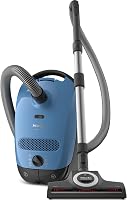
Miele vs Kenmore Canister Vacuum: C1 vs 600 Series (October 2026)
For a Miele vs Kenmore canister vacuum choice, pick the Miele C1 Pure Suction for mostly hard floors and low-pile rugs. Choose the Kenmore 81615 for frequent pet-hair cleanup, or the Kenmore 81414 for mixed floors with adjustable cleaning height.
On this page (11 sections)
- Miele vs Kenmore canister vacuum: what separates them?
- Which model fits your floors?
- Which is better for pet hair?
- How do their filtration systems compare?
- Which is easier to move and store?
- What does the Kenmore 81414 add to this comparison?
- How should you set up your first cleaning session?
- What should you know about bags and upkeep?
- Which buying and cleaning mistakes should you avoid?
- Which canister vacuum should you choose?
- Related reading
Choose the Miele C1 Pure Suction for mostly hard floors and low-pile rugs, or the Kenmore 81615 for frequent pet-hair cleanup. This Miele vs Kenmore canister vacuum comparison also includes the Kenmore 81414 for buyers who want adjustable cleaning height across mixed floors.
Start with the job you repeat most often: sweeping open floors, cleaning carpet or removing hair from furniture. The right attachment for that job matters more than collecting tools you'll rarely use.


Miele vs Kenmore canister vacuum: what separates them?
The main difference is how the included tools fit your home. The Miele offers a straightforward floor-and-furniture kit, the Kenmore 81414 adds mixed-floor adjustments, and the Kenmore 81615 makes a dedicated pet attachment part of the package.
These are specific models, so this comparison shouldn't stand in for every vacuum from either brand. A different Miele floorhead or Kenmore accessory bundle can change the buying decision.
All 3 are bagged canisters, with a body that follows behind a hose and wand. Our explanation of what a canister vacuum is and how it works helps if you're switching from an upright.
Miele vs Kenmore canister vacuums: choose by your hardest job
Choose for the hardest recurring cleanup, then check that everyday cleaning remains convenient. A home with tile throughout and one thin rug has different needs from a home with carpeted bedrooms and pet hair on the couch.
Before deciding, write down your main floor types, where hair collects and whether you'll carry the vacuum upstairs. Those 3 details narrow this comparison faster than comparing motor figures.
Which model fits your floors?
The Miele suits mostly hard floors and low-pile carpet, while the Kenmore models deserve a closer look when carpet adjustments are a priority. Check delicate rugs and thick carpet against their care instructions before choosing a floorhead.
Choose the Miele for open hard floors and low-pile rugs
The C1 Pure Suction includes an SBD 365-3 combination floorhead and 6 suction settings. That gives a mostly hard-floor household a clear starting setup without making a pet attachment central to the purchase.
Use its dusting brush for suitable shelves and baseboards, its crevice tool for narrow gaps and its upholstery tool for furniture. Match each tool to the surface rather than dragging the floorhead onto every cleaning job.
Skip this version if deep carpet is the main reason you're buying a vacuum. Increasing suction doesn't add the brushing action of a powered carpet head.
Our guide to canister vacuum powerheads explains that difference. For carpet-heavy homes, read how canister vacuums work on carpet before settling on a model.
Choose a Kenmore around carpet adjustments and tool changes
The 81414 combines a 2-motor system, 4 height settings and variable suction. Height changes the floorhead's position relative to carpet, while suction control changes airflow at the cleaning tool.
The 81615 also offers a 2-motor system and height adjustment, along with 2 floor nozzles and its Pop-N-Go brush. Its broader kit suits a routine that moves between floors, furniture and pet-hair cleanup.
A motorized Pet PowerMate is a separate attachment, so don't confuse it with a full-size carpet floorhead. Our Kenmore 600 Series 81615 review covers that model's kit in more detail.
The Kenmore 81414 belongs on your shortlist if you want floor adjustments without making the Pet PowerMate your deciding feature. Skip it if that specific included pet tool is essential.
Which is better for pet hair?
The Kenmore 81615 is the strongest match here when hair on furniture is a regular job. Its included motorized Pet PowerMate gives you a dedicated attachment rather than relying only on a general upholstery tool.
Kenmore says the attachment lifts stubborn pet hair and helps prevent hair from tangling around its brush. Still inspect the attachment during care, since thread and other debris can obstruct moving parts.
Think about where the hair lands before buying. Loose hair along a hard-floor edge calls for a different tool and approach from hair worked into a fabric cushion.
Check the furniture care label before using a powered brush, especially on loose weaves, fringe or delicate covers. Work slowly across suitable upholstery instead of pressing hard enough to distort the fabric.
The Miele remains a sensible choice when your pet mainly sheds onto hard floors and furniture brushing is occasional. Compare our canister vacuums for pet hair if embedded hair is the problem driving your purchase.
How do their filtration systems compare?
The Miele uses 3-tier AirClean filtration, while both Kenmore models use HEPA filtration. Compare the complete bag-and-filter setup, then plan to maintain it correctly.
The C1's system includes a genuine Miele FilterBag, motor protection filter and AirClean exhaust filter. Each part has a role, so replacing the bag doesn't replace the need for filter care.
Kenmore describes a sealed air path for the 81414 and claims capture of 99.97% of dust and debris down to 0.3 microns. For the 81615, Kenmore says its triple HEPA system traps 99.97% of dirt inside the vacuum.
Those figures use different descriptions, so they aren't a basis for declaring one model the filtration winner. A correctly seated bag and filters are practical priorities whichever model you choose.
If dusty disposal bothers you, a bagged design lets you remove collected debris in its container rather than emptying a dust cup. Our bagged vs bagless canister vacuum guide explains the upkeep trade-offs.
Which is easier to move and store?
The Miele is the clearer carrying choice against the 81414, weighing 12 lb compared with 22.6 lb. Confirm the 81615's assembled weight before choosing it for a routine with frequent lifting.
Don't judge carrying comfort from the wand alone. You'll also need to manage the canister, hose and floorhead through doorways and around stair rails.
The 81414 has a 26 ft auto-rewind cord and a telescoping wand with 9.5 ft of cleaning reach. The 81615 has a 28 ft retractable cord, an aluminum telescoping wand and onboard accessory storage.
Extra cord length can reduce outlet changes when an outlet is well placed. It doesn't remove the need to move the canister closer when the hose starts pulling tight.
Measure the closet space for the whole setup, including the hose loop and attached head. Onboard storage helps keep small tools together, but the wand still needs a sensible parking spot.
For stairs, keep the canister on a stable landing or another position allowed by its instructions. Our guide to vacuuming stairs with a canister explains how to plan the route and handle the hose.
What does the Kenmore 81414 add to this comparison?
The 81414 offers a middle route for mixed floors when pet upholstery cleaning isn't the main buying reason. Its useful extras include a performance indicator and storage for the bare floor tool in the canister.
The indicator prompts you to check bag fill or a possible clog. Use it as a cue to inspect the airflow path rather than assuming every drop in pickup means the motor needs more power.
Its dust bag holds 2.8 liters, but empty space alone isn't a reliable replacement schedule. Fine dust can restrict airflow before a bag looks completely full.
Choose this model if you expect to use its floor adjustments and standard attachments often. Skip it if carrying weight is your main concern or you specifically want the 81615's pet attachment.
How should you set up your first cleaning session?
Start with a secure bag, fitted filters and the correct floor tool. A few minutes spent checking the setup prevents avoidable airflow problems and awkward tool changes.
With the vacuum unplugged, follow its instructions to seat the bag and close the compartment. Check that the hose, wand and chosen attachment lock into place without forcing the connections.
Adjust the wand so you can stand upright with relaxed shoulders. If you need to bend over to keep the head flat, change the wand length before cleaning a whole room.
On an unfamiliar rug, begin with a lower suction setting where available and adjust within the rug's care guidance. If the head sticks or lifts the rug, reduce suction rather than pushing harder.
For adjustable carpet heads, use the model's instructions to choose a starting height. The head should move without excessive force while maintaining suitable contact with the carpet.
Clear cords, small objects and rug fringe from the path before starting. Vacuum open floors first, then change tools for edges and furniture so you're not swapping attachments after every few steps.
What should you know about bags and upkeep?
Buy replacement bags for the exact model, and follow its filter schedule. Bags and filters are part of normal upkeep, so check their fit and availability before committing to a vacuum.
Don't assume bags fit across brands or across every canister from one brand. Our guides explain which Miele GN bags fit and which Kenmore canister bags you need.
Keep a spare bag ready so a full one doesn't interrupt cleaning. Replace bags according to the instructions and airflow indicators rather than squeezing or shaking them to make more room.
If pickup falls, unplug the vacuum and check the bag, filters, hose and floor tool in the order recommended by the manual. A lodged object or blocked passage needs clearing, not another pass over the same patch.
Inspect brushes and tool openings for hair, thread and grit. Disconnect powered attachments before clearing them, and keep fingers away from moving brush parts.
Don't wash a filter unless its care instructions specifically allow it. Keep wet debris out of these vacuums and let cleaned accessories dry fully before reconnecting them.
Which buying and cleaning mistakes should you avoid?
Avoid choosing by brand name or suction alone. The wrong head for your carpet or an awkward carrying routine can matter more than a feature you'll use once a month.
- Buying extra tools without a use for them: name the surface each attachment will clean before letting the larger bundle decide.
- Treating every rug like fitted carpet: check fiber, backing and fringe care before using a brush or strong suction.
- Pulling the vacuum by its hose: move the canister closer when you run out of comfortable reach.
- Pressing harder when pickup drops: inspect airflow and tool setup before repeating the same pass.
- Ignoring grit under a floor tool: check the contact surfaces before moving onto a delicate hard floor.
When retracting a cord, guide it as directed instead of letting the plug whip toward the canister. Store the hose without sharp bends so the next cleanup starts with the equipment ready to use.
Which canister vacuum should you choose?
Make your Miele vs Kenmore canister vacuum decision around your main cleaning job. Choose the Miele for mostly hard floors and manageable low-pile rugs, the 81414 for mixed-floor adjustments, or the 81615 when a dedicated pet tool earns its place.
If carrying upstairs is nonnegotiable, settle that question before choosing a larger accessory kit. If carpet is the hard part, settle floorhead suitability before comparing storage features.
For a Miele alternative with a different tool setup, read our Miele C1 vs C3 comparison. Use it to decide whether another configuration fits your floors better.
Related reading
The best Miele canister vacuum guide helps you compare more Miele options. These reviews explain the differences between 2 C1 configurations:
| Product | Best for | Floor tool | Filtration | Weight | Our score |
|---|---|---|---|---|---|
| Miele C1 Pure Suction | mostly hard floors | SBD 365-3 combination floorhead | AirClean 3-tier system | 12 lb | 8.8 |
| Kenmore 81414 | mixed-floor households | HEPA system | 8.5 | ||
| Kenmore 81615 | pet-hair cleanup | Triple HEPA filter system | 8.2 |
Frequently asked questions
Is the Miele C1 or Kenmore 600 Series better for carpet?
The Kenmore 81615 is the better starting point for carpet-focused cleaning because it combines a 2-motor system with height adjustment. The Miele C1 Pure Suction suits low-pile carpet and hard floors.
For thick or delicate carpet, check the carpet maker's care rules and the vacuum's floorhead instructions before choosing.
Which canister vacuum is better for pet hair?
The Kenmore 81615 is the clearest choice here for frequent pet-hair cleanup because it includes the motorized Pet PowerMate. Kenmore says this attachment lifts stubborn hair and dirt.
The Miele's upholstery tool suits general furniture cleaning, but choose around a dedicated pet attachment if embedded hair is your main job.
How do the Miele and Kenmore filters differ?
The Miele C1 uses a FilterBag, motor protection filter and AirClean exhaust filter in its 3-tier system. Both Kenmore models use HEPA filtration, with a sealed air path specified for the 81414.
Correct bags, secure fitting and filter care matter when keeping captured dust inside any of these vacuums.
Is the Kenmore 81414 the same as the Kenmore 600 Series?
No. The 81414 belongs to the 400 Series, while the 81615 belongs to the 600 Series.
Their included tools differ, with a motorized Pet PowerMate included with the 81615.
Compare exact model numbers and accessories rather than assuming every Kenmore bagged canister comes with the same cleaning kit.
Which is lighter, the Miele C1 or Kenmore 600 Series?
The Miele C1 has a clear stated weight of 12 lb, while the Kenmore 81615's weight needs confirmation before a carrying-based decision. If stairs are central to your routine, confirm the assembled weight with its hose and floor tool, and consider where you can safely place the canister.