Canister Vacuums Under $300: What Each Price Buys
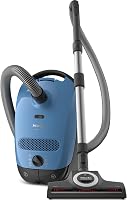
The Eureka 3670M is the best canister vacuum under 300 dollars to start with if you want a light bagged model. Choose the Bissell Zing for bagless upkeep, the Kenmore 81414 for sealed HEPA filtration, or the Kenmore 81615 for its motorized pet attachment, subject to your budget.
On this page (8 sections)
- What should the best canister vacuum under 300 dollars include?
- Which canister vacuum under 300 dollars fits your routine?
- Which features deserve more of your budget?
- How can you compare reach, weight and storage before buying?
- How should you set up a new canister vacuum?
- What care keeps a budget canister useful?
- Which buying and cleaning mistakes should you avoid?
- How should you choose the best canister vacuum under 300 dollars?
The Eureka 3670M is the best canister vacuum under 300 dollars to start with if you want a light bagged model for floors and above-floor jobs. Choose the Bissell Zing for bagless upkeep, or a Kenmore when filtration, floor adjustments or pet tools solve a regular cleaning task.
Your main floor surface should guide the choice before motor size or the number of attachments. A vacuum that fits your rugs, stairs and storage space is easier to use regularly.
These 4 models offer different ways to handle those jobs. Check the current cost before ordering, since inclusion here doesn't guarantee that every model always fits the budget.
What should the best canister vacuum under 300 dollars include?
The best fit includes the right floor tool, manageable weight and an upkeep routine you'll follow. Spend on those basics before choosing extra attachments.
| Your main cleaning job | Put first | Check before choosing |
|---|---|---|
| Hard floors with a few rugs | A suitable floor nozzle and easy surface changes | Floor finish and rug care instructions |
| Carpeted rooms | Brush action and floor-head adjustment | Whether the powered tool is for floors or smaller surfaces |
| Stairs and upstairs rooms | Carrying weight and a secure place for the body | How you'll move the canister between steps |
| Pet hair on furniture | A suitable upholstery or motorized pet tool | Fabric care instructions |
| Dust containment | Bag or cup handling, filter fit and air-path design | Replacement supplies and maintenance steps |
Extra motor power can't replace a suitable nozzle. Amps describe electrical draw, so don't use them alone to rank cleaning ability across different designs.
For a mostly hard-floor home, a manageable body may be more useful than a large tool set. In a carpeted home, the floor head deserves closer attention before cord storage or accessory count.
Which canister vacuum under 300 dollars fits your routine?
Choose the Eureka for light bagged cleaning, Bissell for bagless care, Kenmore 81414 for filtration and adjustments, or Kenmore 81615 for pet upholstery jobs. Each suits a different daily routine.
Eureka 3670M: best canister vacuum under 300 dollars for light bagged cleaning
The Eureka 3670M suits people who carry the vacuum between rooms and prefer throwing away a filled bag. Its 8.6 lb body makes it a stronger candidate for frequent carrying than the heavier Kenmore 81414.
The wands and attachments help with furniture, corners, high areas and spaces beneath car seats. That makes this a useful choice when a cleaning session includes shelves and upholstery as well as floors.
Buy it if you want a simple bagged routine and don't want the canister's weight to dominate every trip upstairs. Keeping spare bags nearby will make it easier to replace a full one promptly.
Skip it if sealed HEPA filtration is a requirement. The Kenmore 81414 is the better match among these choices for that specific feature.
For a mostly carpeted home, check the floor head against your carpet's needs before choosing the Eureka. Support for carpet cleaning doesn't make every nozzle equally suitable for every pile.
Our best bagged canister vacuum guide offers more choices if bag disposal is your main priority.
Bissell Zing 2156A: a bagless choice for smaller cleaning routes
The Bissell Zing 2156A suits people who want a reusable dirt cup and a light body for moving around furniture. It weighs 7.5 lb, and a switch changes the floor tool between carpet and hard-floor use.
Its 15-foot cord is the main reach trade-off. It fits shorter cleaning routes more naturally than a layout where you want to cover several rooms from one outlet.
Buy it if you prefer seeing when the cup needs emptying and are willing to clean the washable filters. Its telescopic wand also lets you adjust the working length for different tasks.
Skip it if emptying loose dust is a chore you'll avoid. Bagless care works best when you empty the cup before debris becomes tightly packed and leave time for washed filters to dry.
The retractable cord simplifies putting it away, but plan your outlet changes before starting. Don't stretch the cord tight to finish a distant corner.
See our best bagless canister vacuum guide if avoiding replacement bags is central to your choice.
Kenmore 81414: a bagged choice for dust containment
The Kenmore 81414 suits buyers who put sealed HEPA filtration ahead of easy carrying. Kenmore says its filtration system traps 99.97% of dust and debris down to 0.3 microns inside the vacuum.
Variable suction gives you control when moving between cleaning tasks. The bare-floor tool, dusting brush and crevice tool cover floor edges, furniture and narrow gaps.
Its performance indicator helps flag a full bag or a possible clog. If airflow drops, inspect the bag and air path before assuming the vacuum needs replacing.
Buy it for a home where floor adjustments and dust containment matter more than carrying comfort. Its 22.6 lb weight deserves serious thought if every session involves stairs.
Skip it if low carrying weight is your first requirement. Also allow storage room for the canister, hose and wand rather than judging the body alone.
For wood floors, pair the correct tool with clean wheels and a debris-free underside. Our best canister vacuum for hardwood floors guide explains how to choose around that surface.
Kenmore 81615: a choice for pet hair on furniture
The Kenmore 81615 suits homes where pet hair on upholstery is a regular job. Its motorized Pet PowerMate attachment gives you a reason to choose it over a simpler canister when furniture needs more than loose-dust pickup.
Kenmore says its filtration system traps 99.97% of dirt inside the vacuum. Its 28-foot retractable cord also gives you more room between outlet changes than the Bissell.
Buy it if you expect to switch among furniture, floor edges and open floor areas during the same session. Onboard storage keeps the attachments close enough to use rather than leaving them in a closet.
Skip it if your routine is mostly bare floors and occasional crumbs. A motorized pet attachment adds little value when you have no regular use for it.
For carpeted rooms, distinguish the small pet attachment from the main floor nozzle. Also confirm the complete vacuum's carrying weight before ordering if stairs are central to your routine.
Our best canister vacuum for pet hair guide helps match tools to where shedding creates the most work.
Which features deserve more of your budget?
Spend more for a feature that fixes a repeated cleaning problem. Long carpeted rooms, dusty disposal and hair-covered furniture call for different equipment.
Match the brush to carpet and rugs
For carpet, prioritize the floor head's brush action and adjustment. A powered floor head can help loosen embedded debris, while a small motorized accessory is meant for a smaller working area.
Check the carpet maker's care instructions, especially for delicate rugs, loose loops and fringe. Keep fringe outside the cleaning path instead of drawing it into a moving brush.
Our guide to canister vacuums with powerheads explains the choices for carpeted rooms. If the terms are confusing, start with what a powerhead does on a canister vacuum.
Choose a dust disposal routine you can maintain
Choose bags if you prefer removing a contained load of dirt. Choose a cup if you want to avoid replacement bags and are comfortable emptying debris and caring for filters.
Bagged vacuums still need filter checks, and reusable filters don't remove every future maintenance need. Keep the correct bags or replacement filters available before the vacuum needs them.
Read our bagged vs bagless canister vacuum comparison if the disposal routine is your deciding factor.
Treat filtration as a whole-system feature
For dust containment, consider the air path, filter fit and disposal method together. A correctly installed filter and bag matter as much as remembering the filter label.
The sealed air path makes the Kenmore 81414 the clearest match here when that construction is a requirement. Keep seals and contact surfaces clean so dirt doesn't interfere with closure.
Filtration features don't promise relief from symptoms. Choose them for handling captured dust, alongside a disposal routine you can carry out carefully.
How can you compare reach, weight and storage before buying?
Compare the whole cleaning route, including carrying, outlet changes and putting the vacuum away. Cord length alone doesn't describe how convenient a canister will feel in your home.
Start at the outlet you'll actually use and picture the route around furniture. Walls, doorways and table legs can shorten the useful path even when a room looks close on a floor plan.
For stairs, carrying weight matters separately from wand reach. Plan a secure, level place for the body and avoid pulling it toward an edge with the hose.
A longer wand helps with high areas, but it doesn't make overhead work effortless. Work from the floor where possible and stop if the tool becomes hard to control.
Measure your storage space with the hose and wand in mind. A body that fits on a closet floor can still be awkward if the hose blocks the door.
If stairs make up much of your cleaning, our guide to vacuuming stairs with a canister vacuum covers positioning and a safer cleaning order.
How should you set up a new canister vacuum?
Fit the bag or cup, filters, hose and floor tool correctly before switching it on. A loose connection or poorly seated bag can interrupt airflow and allow dirt where it shouldn't go.
- Read the model's assembly steps. Check how each hose, wand and tool connection locks into place.
- Inspect the dust compartment. Confirm the bag or cup is seated and all required filters are fitted.
- Choose the right tool. Use the floor attachment suited to the surface, then select a crevice or furniture tool for smaller areas.
- Adjust the working height. Set the wand so you can stand comfortably without bending over it.
- Start with a small area. Check that the tool moves freely and doesn't catch the rug or fabric.
- Plan the cord path. Keep it clear of the cleaning head and busy walking routes.
On adjustable models, change suction or head height if the tool becomes hard to push. Pressing harder can restrict movement and doesn't solve a poor setting.
Follow the vacuum's instructions when switching tools or brush modes. Turn it off before removing a blockage or touching a brush.
What care keeps a budget canister useful?
Keep the dust container, filters and air path clear so the vacuum can move air properly. A full bag, packed cup or blocked tool can make routine cleaning harder.
Check the bag or cup before a large cleaning session. Replace or empty it at the marked limit, and check sooner after picking up fine dust.
For washable filters, follow the model's washing instructions and allow complete drying before refitting. Keep a spare only if the correct replacement is available and the maker allows that approach.
Unplug the vacuum before inspecting a brush, hose or nozzle. Remove caught hair carefully and avoid cutting bristles or damaging the brush.
Wipe loose grit from wheels and the floor tool before moving onto a delicate floor. Check the underside if you hear scraping or feel the head dragging.
Guide a retracting cord gently rather than letting the plug whip toward the body. Put the hose away without sharp bends and avoid pulling the canister by its cord.
Which buying and cleaning mistakes should you avoid?
Avoid choosing by motor numbers, accessory count or the budget cap alone. Those shortcuts overlook the parts you'll handle during every cleaning session.
- Treating all powered tools alike: A furniture attachment doesn't replace a floor head built for whole-room carpet cleaning.
- Ignoring replacement supplies: Check the correct bag and filter types before ordering so routine care doesn't become a search later.
- Buying extra weight for unused tools: A larger package earns its storage space only when its attachments solve regular jobs.
- Using one setting everywhere: Adjust the tool or suction where available instead of dragging a stuck nozzle across a rug.
- Vacuuming unsuitable debris: Keep liquids, hot ash and sharp debris out of a dry household vacuum unless its instructions expressly allow them.
- Continuing after airflow drops: Stop and check for a full container or blockage rather than making repeated passes.
- Pulling from too far away: Move the canister closer instead of stretching the hose around a doorway.
For a wider overview of designs and their uses, read canister vacuums: what they are and which one to buy. Our best canister vacuum guide compares options across different floor and household needs.
How should you choose the best canister vacuum under 300 dollars?
Choose the best canister vacuum under 300 dollars by your hardest regular cleaning job. Then check whether carrying, disposal and storage will make that choice practical.
Pick the Eureka 3670M for light bagged cleaning across floors and smaller tasks. Pick the Bissell Zing 2156A when a reusable cup suits you and shorter outlet-to-outlet routes aren't a problem.
Choose the Kenmore 81414 when sealed filtration and adjustable settings take priority over carrying weight. Choose the Kenmore 81615 when the motorized pet attachment will earn regular use on furniture.
Before ordering, confirm the current cost, included floor tools and correct replacement supplies. For help deciding which canister design fits your rooms, use our canister vacuum buying guide.
Frequently asked questions
What is the best canister vacuum under 300 dollars?
The Eureka 3670M is a useful starting choice for a light bagged canister. Pick the Bissell Zing 2156A if you prefer a reusable dirt cup, or consider the Kenmore models for their filtration and tool sets; confirm that your chosen model fits the budget before ordering.
Are bagged canister vacuums better than bagless?
Bagged canisters suit people who prefer removing a filled bag instead of emptying loose dirt; bagless models suit people who want to avoid replacement bags and don't mind cup and filter care. Choose the routine you'll maintain consistently, since both designs need clear airways and correctly fitted filters.
Can a canister vacuum under 300 dollars clean carpet?
Yes, a canister can clean carpet when its floor head suits the pile and the carpet maker's care instructions; check brush action and height adjustment before choosing. A small motorized pet attachment serves a different job from a powered floor head designed to cover whole carpeted rooms.
Do canister vacuums under 300 dollars have HEPA filtration?
Some options have HEPA filtration, including the Kenmore 81414 and 81615 when they fit your budget; the 81414 also has a sealed air path. Compare the complete dust collection system, since filter fit, bag installation and dirt disposal all matter when you want to keep captured dust contained.