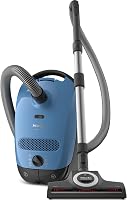
Canister vs Upright Vacuum: Which Is Better for Stairs? (October 2026)
The canister vs upright vacuum choice for stairs comes down to placement and carrying: choose a light canister for a stable landing or a lift-away upright for a portable pod. Match the stair tool to your carpet or hard steps.
On this page (11 sections)
- Canister vs upright vacuum: which is better for stairs?
- Which design fits the rest of your home?
- How much weight will you carry upstairs?
- Does hose or wand reach matter more on stairs?
- Which attachment works on carpeted or hard stairs?
- Who should buy each of these vacuums?
- How should you set up before cleaning stairs?
- What care keeps either design ready for stairs?
- Which mistakes make either vacuum harder to use?
- Which is easier to store between cleanings?
- Canister vs upright vacuum: which should you choose?
A canister vs upright vacuum choice for stairs comes down to where the body sits and what you carry: choose a light canister for secure landing placement or a lift-away upright for a portable pod. Then match the attachment to your stair surface.
For these 3 models, the Eureka favors frequent carrying, the Shark combines upright floor cleaning with a detachable pod, and the Kenmore favors extended wand reach. The right choice should also suit the floors you clean between stair sessions.
Our guide to canister vacuums and how to choose one explains the wider category. For the cleaning routine itself, see how to vacuum stairs with a canister.


Canister vs upright vacuum: which is better for stairs?
A canister suits stairs with secure body placement, while a lift-away upright suits people who prefer carrying a pod. Neither design removes the need to manage a hose, cord and attachment.
A canister separates the motor and dust container from the cleaning head. You guide the tool over the steps while the body stays in a suitable spot, moving it when you run out of comfortable reach.
An upright keeps the body and floor head together for room cleaning. A lift-away design separates the pod for above-floor work, so you don't have to maneuver the full upright across the staircase.
Start by checking your landing, turns and narrowest steps. A broad landing may suit a parked canister; a tight staircase makes carrying comfort and the manual's placement instructions more important.
Also consider how often you clean upstairs. A vacuum that works well once positioned can still be a poor match if moving it between floors makes you put off the job.
Which design fits the rest of your home?
Choose an upright for a floor-first routine or a canister for frequent changes between floors, furniture and edges. Stairs matter, but they shouldn't be the only task that decides your main vacuum.
An upright keeps the main floor-cleaning parts together as you move across a room. That layout suits people who want to finish large carpeted areas before changing to a hose tool for stairs or furniture.
A canister lets you switch between a floor tool, wand and smaller attachments while the body follows behind. That can suit rooms with chair legs, low furniture and several surfaces, although the trailing body needs room to move.
For mixed floors, check the controls and tools rather than choosing by shape alone. The Shark has brushroll shutoff, while the Kenmore includes a separate bare-floor tool and variable suction.
Storage can settle a close choice. Think through where the hose, wand and stair attachment will go, and whether you can remove the vacuum without shifting other items.
How much weight will you carry upstairs?
Compare complete vacuum weight and the part carried during cleaning separately. A detachable pod changes the load during stair work, but you may still need to move the whole machine between floors.
The Eureka 3670M weighs 8.6 lb, the Shark Navigator NV360 weighs 16 lb as a complete upright, and the Kenmore 81414 weighs 22.6 lb. Those figures make the Eureka the clear starting point when frequent full-unit carrying is your main concern.
The Shark's pod weight needs a separate check before you choose it for carrying. Don't use the complete upright's weight as an estimate of the detached section.
Which canister vs upright vacuum suits frequent carrying?
Choose the lighter complete machine if your routine involves moving it upstairs, cleaning several rooms and bringing it back down. Choose a detachable pod when you want an upright downstairs and a separate section for stair work.
Grip and shape matter alongside weight. Consider how you'll carry the body while keeping the hose and cord gathered and leaving your walking path clear.
If the trip requires an awkward grip or affects your balance, choose a different setup or arrange help moving the machine. Our lightweight canister vacuum guide offers more options centered on carrying.
Does hose or wand reach matter more on stairs?
Usable reach from a secure position matters more than either measurement alone. Hose length and total cleaning reach describe different things, so don't compare them as equal figures.
The Kenmore has a telescoping wand and 9.5 ft of cleaning reach. That can help you work from a landing, but bends, stair height and the body's position affect which steps you can reach comfortably.
The Shark has a 5 ft hose for working away from its detachable pod. Leave slack so moving the attachment doesn't pull the pod toward you.
The Eureka includes 2 extension wands. A longer wand arrangement can help with distance, while a shorter setup may give better control near your feet.
Plan to move the body rather than cover a whole flight from one position. Reach stops being useful when it makes you lean, twist or pull the hose tight.
Which attachment works on carpeted or hard stairs?
Use a carpet-suitable tool for carpeted treads and a finish-safe tool for hard steps. The attachment must fit the tread closely enough to clean edges without becoming awkward around the stair nose.
On carpet, work across the tread, along the back corner and over the front edge. Use a crevice tool for narrow seams, then use the broader suitable attachment for the main surface.
For pet hair, distinguish loose strands from hair caught in the pile. Repeated suction passes may collect loose hair, but embedded hair can call for a different compatible attachment.
A powered floor head and a small powered stair tool serve different jobs. Our guide to canister vacuum powerheads explains the difference before you choose accessories.
On wood or other hard steps, inspect the tool for grit and rough edges before starting. Lift it over sharp changes in level rather than scraping it across the stair nose.
Check rug runners and their edges against the carpet care directions. For more on matching the head to the pile, read whether canister vacuums suit carpet.
Who should buy each of these vacuums?
Choose the Eureka for regular carrying, the Shark for upright floor cleaning plus stairs, or the Kenmore for reach from a secure landing. Skip any model whose carrying needs or stair attachment don't fit your home.
Eureka 3670M: for regular trips between floors
The Eureka is the strongest fit here for someone who wants a lighter complete vacuum for upstairs rooms, stairs and furniture. Its bagged design also suits people who prefer replacing a dust bag to emptying a cup.
Its attachments include a brush, crevice tool and nozzle, giving you options for surfaces and narrow corners. Use the wand length that lets you guide the tool without raising your shoulder or bending farther than needed.
Skip it if your main requirement is a confirmed powered stair brush for dense carpet or embedded hair. Confirm the exact compatible tool before buying for that job.
Shark Navigator NV360: for an upright floor routine
The Shark suits a home where main-floor carpet cleaning comes first and stairs are part of the same session. Its swivel steering helps with turns around furniture, and the pod detaches for above-floor work.
The included upholstery and crevice tools cover broad fabric surfaces and tight gaps. Shark pairs a HEPA filter with its Anti-Allergen Complete Seal system, which it says traps dust and allergens inside the vacuum.
Skip it if you want replaceable bags or dislike emptying a dust cup. Also confirm the detached pod's weight if your main reason for choosing it is carrying comfort.
Kenmore 81414: for secure landing placement
The Kenmore suits a home where you can position the body securely and use the wand for stairs and other surfaces. Its detachable handle also gives you a shorter setup for furniture and tight spaces.
A bagged, sealed HEPA system suits people who prefer bag replacement, while onboard tool storage keeps attachments with the vacuum. Automatic cord rewind makes packing away simpler after moving between rooms.
Skip it if you expect to carry the whole body up and down often. Its weight is a stronger buying concern than its reach advantage when every cleaning session starts with a long flight.
How should you set up before cleaning stairs?
Clear the steps and plan the body's positions before switching on. Follow the manual for stair use, then attach the tool that suits your carpet or hard-floor finish.
Remove shoes, toys and other loose items from the flight. Pick up objects that could block the hose rather than expecting the vacuum to collect everything.
Place the body on a secure surface allowed by the manual, away from an edge. Never balance a canister or upright body on a narrow tread to gain extra reach.
Route the cord and hose outside your footing and leave enough slack for the steps you're cleaning. Start with a small working area so you can judge reach without leaning or tugging.
Clean each tread, its corners and the riser before moving to the next reachable area. Switch off before moving the body, and use its carry handle rather than lifting it by the hose.
What care keeps either design ready for stairs?
Keep the air path clear and service the bag, cup and filters as directed. Stair cleaning exposes weak airflow quickly because hair and grit collect in corners and attachments.
For bagged models, check the bag before a long session and keep compatible replacements available. A full bag or blockage can restrict airflow even when the motor still sounds normal.
With a bagless vacuum, empty the cup as directed and avoid packing debris down to make more room. For the wider trade-off, see our bagged vs bagless canister vacuum guide.
Shark directs users to rinse its washable filters under running water until clear and air-dry them for 24 hours before reinstalling. Don't put them in a dishwasher or washing machine.
Disconnect power before clearing a blockage or removing wrapped hair. Check the tool opening and hose, and follow the manual rather than pushing a sharp object through the air path.
Keep attachments dry and inspect them for trapped grit before using them on finished steps. Store the hose without sharp bends or heavy objects pressing against it.
Which mistakes make either vacuum harder to use?
Overreaching and choosing the wrong attachment cause more trouble than the body style itself. Avoid these shortcuts when comparing models and planning your routine.
- Buying by motor numbers alone: amperage and wattage don't tell you whether a tool fits a narrow tread or handles your carpet.
- Treating reach figures as interchangeable: a hose measurement and a whole cleaning-reach measurement aren't the same.
- Expecting every floor tool to work on stairs: a large head can be awkward around corners, risers and stair edges.
- Pulling the body with the hose: stop and reposition it before the hose becomes taut.
- Ignoring storage: a hose trapped behind other items makes a quick stair clean harder to start.
- Using a damp filter: allow the full drying time required by the brand before reinstalling it.
Which is easier to store between cleanings?
The easier vacuum to store is the one whose body, hose and tools you can put away and retrieve without a struggle. Measure the available space, including room to lift parts out.
A canister needs space for the separate body and hose, plus the wand. An upright keeps its floor-cleaning assembly together, but you'll still need a home for its attachments.
Keep the stair tool where you can find it without unpacking everything. Our guide to choosing a canister vacuum covers more of the layout choices that affect daily use.
Canister vs upright vacuum: which should you choose?
For this canister vs upright vacuum decision, pick the Eureka if frequent carrying is your main hurdle, the Shark if you want an upright for floors with a detachable stair pod, or the Kenmore if secure landing placement lets you use its reach.
Before ordering, settle 3 questions: where will the body sit, what will you carry, and which tool suits your steps? If any answer is unclear, resolve it before choosing by weight or suction alone.
Once you've chosen the layout, use our guide to vacuuming stairs with a canister to plan body placement, tool changes and a clear walking path.
Frequently asked questions
Is a canister or upright vacuum easier to use on stairs?
A canister is easier when you can leave its body securely on a landing and reach the steps with its tools; a lift-away upright suits people who prefer carrying a pod while cleaning. Choose by your staircase layout, comfortable carrying weight and the attachment needed for your stair surface.
Can you use an upright vacuum on carpeted stairs?
Yes, use an upright's suitable above-floor attachment rather than trying to push its main floor head across narrow steps; the Shark Navigator NV360 has a detachable pod and an upholstery tool for this work. Follow its manual for placement, and reposition the pod before the hose starts pulling tight.
Is a lightweight canister better for stairs?
A lightweight canister is a strong choice when you regularly carry the whole vacuum between floors; the Eureka 3670M weighs 8.6 lb, making it the lightest complete model here. It still needs secure placement during use, and its attachment must suit your stair carpet or hard-floor finish.
Do carpeted stairs need a powered brush?
Not every carpeted staircase needs a powered brush, but embedded hair and dense pile make the attachment choice more important. Check your carpet's care directions and choose a compatible tool for that surface; a powered floor head doesn't mean the vacuum also includes a powered attachment sized for stair treads.
How do you vacuum stairs safely?
Start with the manual's instructions for placement, carrying and stair use. Keep the cord and hose outside your walking path, keep the vacuum away from stair edges, and work within a comfortable reach; stop and move the body when needed rather than pulling it closer with the hose.