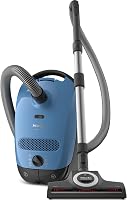
Why Does My Canister Vacuum Smell?
If you're wondering why your canister vacuum smells, trapped dirt or moisture in the bag, filters, hose, or brush is often the cause. Unplug it before checking; burning or electrical odors mean you should stop using it.
On this page (9 sections)
- Why does my canister vacuum smell?
- What does the smell tell you?
- How do you find the source safely?
- Which replacement parts should you buy for a smelly vacuum?
- How do you clean a smelly canister vacuum?
- Could a full or wrong bag cause the smell?
- Which mistakes make vacuum odors return?
- When does a smelly vacuum need service?
- Why does my canister vacuum smell, and what should you do next?
Your canister vacuum usually smells because dirt, pet hair, or damp debris remains inside it. If you're asking “why does my canister vacuum smell,” start with the bag or bin, then check accessible filters, the hose, and the floor head while unplugged.
A dusty or sour odor calls for cleaning and inspection. Burning or electrical smells call for an immediate stop, not another pass across the carpet.
Why does my canister vacuum smell?
A canister vacuum can smell because collected debris is stale, a part is damp, or airflow is restricted. A hot smell can also come from a mechanical or electrical fault.
The main places to check are:
- The bag or bin, especially after collecting pet hair or food crumbs
- Filters holding fine dust
- The hose and wand, where debris can lodge
- The floor head and brush roll, where hair and fibers gather
- Any washable part put back before it dried fully
Smell alone can't identify the faulty part. Note whether the odor started after a particular cleanup, filter wash, or bag change, since that gives you a useful place to begin.
Our guide to canister vacuum basics explains how the body, hose, wand, and floor head connect.
What does the smell tell you?
Dusty, animal-like, and musty smells suggest different starting points, but none proves the cause. Use the odor to guide an unplugged inspection.
Why does my canister vacuum smell like dust?
A dusty smell can come from accumulated dirt or dust escaping around a poorly fitted bag, bin, or filter. Look for loose dust inside the bag compartment and check that each removable part sits correctly.
If the smell began just after a bag change, check the collar and compartment closure first. Our Kenmore canister vacuum bag guide helps you match replacements to the machine.
Why does it smell like dog or old food?
Pet hair and food debris can smell long before a bag or bin reaches its fill line. Empty the bin or replace the bag when the contents cause odor, even if there is space left.
Then remove accessible hair from the floor head. Leaving a hair-covered brush in place can keep the odor around after you've cleared the dust container.
Why does it smell musty or sour?
A musty smell can come from damp debris or a washable part stored while wet. Dry-only vacuums shouldn't collect spills, wet carpet debris, or damp pet messes.
If liquid reached the motor or electrical parts, leave the vacuum unplugged and seek service advice. Washing the bin won't resolve moisture elsewhere inside the machine.
Why does my vacuum smell like burning?
Switch off and unplug it immediately, if safe to do so. A brush jam or blocked airflow can strain the vacuum, while a sharp electrical odor may point to a fault.
Follow the manual's checks after the machine cools. Don't open the motor housing or repeatedly restart it to see whether the smell disappears.
How do you find the source safely?
Inspect the dirt container first, then follow the airflow path through accessible parts. Keep the vacuum unplugged throughout the inspection.
- Remove the bag or empty the bin, checking for damp contents, damage, or overfilling.
- Check the bag collar or bin connection for trapped debris and a poor fit.
- Inspect removable filters for dust buildup, damage, or moisture.
- Examine the floor head for wrapped hair and blocked openings.
- Detach the hose and wand as the manual allows, then look for visible clogs.
Don't use sharp tools or force a blockage farther into the hose. A clog you can't reach safely is a reason to get help.
Avoid sniffing closely into dusty compartments. You can inspect for dirt and moisture without putting your face near the opening.
Which replacement parts should you buy for a smelly vacuum?
Buy the part that matches both the odor source and your exact model. A fresh exhaust filter won't remove old debris from a bag, and a new bag won't clear a clogged hose.
Write down the vacuum's model number and the bag or filter code in its manual before ordering. Similar-looking filters can have different frames or seals.
Kenmore 62731: for EF-12 exhaust filter replacement
Choose the Kenmore 62731 if your compatible canister needs an EF-12 exhaust filter. Kenmore identifies models 81615 and BC4039 for this part; confirm both the machine model and filter code.
Skip it if your manual calls for EF-9, or if the odor source is still sitting in the bag or hose. Particle filtration doesn't make a replacement filter a cure for every smell.
Don't assume this filter is washable. Use the care instructions for the exact part, and never run the vacuum with a required filter removed.
How do you clean a smelly canister vacuum?
Remove the debris causing the smell, then clean only the parts approved for washing. Keep water away from the motor housing, cord, controls, and powered connections.
For a bagged model, remove the old bag carefully and check for spilled dust before fitting another. The guide to Miele GN vacuum bags explains why the bag type must match the model.
For a bagless model, empty the bin without packing its contents down or shaking dust into the room. Follow the manual for wiping or washing it, including any seals or removable pieces.
Eureka NEN110A filters: for WhirlWind users who need a dry spare
WILERDA's 4-pack fits Eureka WhirlWind NEN110A, NEN110B, and NEN110D models. Its washable filters suit users who want a spare available while a cleaned filter dries completely.
Skip this pack for other Eureka models unless their compatibility is confirmed. The Eureka name alone isn't enough to choose a filter.
These filters need no tools to replace. With the vacuum unplugged, follow the removal steps, check the filter seat for loose debris, and fit a completely dry replacement.
Kenmore 53296: for machines that require EF-9
The Kenmore 53296 is a disposable EF-9 exhaust filter for compatible Kenmore and Kenmore Elite upright and canister vacuums. Choose it when the manual specifies that code and the old filter needs replacement.
Skip it for an EF-12 machine, and don't rinse it to stretch its use. Replace a disposable filter according to its instructions rather than treating it like washable foam.
When reinstalling any filter, check its orientation and close the cover fully. A filter forced into the wrong position can leave gaps.
Could a full or wrong bag cause the smell?
Yes, stale contents and a poor bag fit can contribute to odor. Fine dust can also restrict airflow before a bag looks packed with larger debris.
Replace a damaged bag rather than patching it. Check that the new collar seats as directed and that the bag isn't caught in the compartment lid.
Kenmore Type Q bags: for removing stale contents
The Kenmore 53292 pack contains 6 Type Q replacement bags for compatible canisters, including 81615 and BC4039. It suits Type Q users whose old bag holds smelly debris or needs routine replacement.
Skip these bags if your machine requires another type or uses a bagless bin. A bag and an exhaust filter do separate jobs, so replacing one doesn't remove the need to inspect the other.
If you're considering a different collection system, compare the care tasks in bagged vs bagless canister vacuums. Both designs still need debris removal and filter care.
Which mistakes make vacuum odors return?
Leaving debris behind or adding moisture can bring the smell back. Avoid these common shortcuts:
- Putting a washed filter back while its center is still damp
- Washing a disposable filter
- Reusing a disposable bag or fitting the wrong bag type
- Adding perfume, essential oils, or powders without the manual's approval
- Cleaning the bin but ignoring hair in the head or debris in the hose
- Running the vacuum without a required filter
Don't rely on a fixed drying time unless the instructions give one. A thick filter can feel dry outside while holding moisture within.
Before the next cleanup, pick up damp scraps and large debris by another suitable method. Store the vacuum and attachments somewhere dry.
When does a smelly vacuum need service?
Smoke, electrical odors, visible damage, or persistent overheating need service attention. Leave the vacuum unplugged after a suspected electrical fault and contact the manufacturer or a qualified repair service.
Seek help for a new grinding sound or an odor that remains after routine care. Don't keep buying filters when you haven't found the source.
If you're weighing repair against replacement, our canister vacuum guide explains the main designs. The overview of what a canister vacuum is and how it works can also help you identify which part needs attention.
Why does my canister vacuum smell, and what should you do next?
Choose cleaning, replacement parts, or service based on the source. For stale contents, empty the bin or change the correct bag; for a dirty filter, follow its wash-or-replace instructions.
Buy the WILERDA pack for a compatible WhirlWind, the 62731 for EF-12 needs, or the 53296 for EF-9 needs. Choose the Type Q bags only for a matching bagged Kenmore.
For burning or electrical smells, stop using the machine and seek service. If bag fit is your next step, use the Kenmore bag fit guide before ordering.
Frequently asked questions
Why does my canister vacuum smell like dog?
A dog-like odor usually comes from pet hair, dander, or damp debris held inside the vacuum; empty the bin or replace the bag, then check accessible filters, the hose, and the brush while unplugged. Remove the debris rather than adding scent, and keep dry-only vacuums away from wet pet messes.
Why does my canister vacuum smell like burning?
A burning smell can signal a jammed brush, restricted airflow, or an electrical fault; switch off and unplug the vacuum immediately if safe, then follow the manual's inspection steps. Don't restart it after smoke, a sharp electrical odor, or visible damage until the manufacturer or a qualified repair service has assessed it.
Can I wash a vacuum filter to remove odor?
Wash a filter only when both its care instructions and your vacuum manual allow it; disposable filters need replacement, even if rinsing seems easier. Let washable filters dry completely before fitting them again, and don't use heat to speed drying unless the instructions specifically permit that method.
How do I stop my canister vacuum from smelling?
Remove trapped debris, replace dirty disposable parts as directed, and let washable parts dry completely before reuse; check the bag or bin regularly rather than waiting for odor to appear. If the smell returns soon after cleaning, inspect accessible airflow passages and seek service if you can't locate the cause.