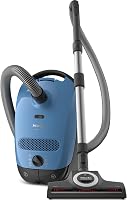
How to Put a Filter in a Miele Vacuum
To put a filter in a Miele canister vacuum, seat the motor protection filter in its slot behind the bag and press the exhaust filter into its grid at the rear outlet, then close the lid so both sit flat. Each filter has only one correct position, so match its shape to the recess before you push.
On this page (9 sections)
- How do you open a Miele canister to reach the filters?
- Where does the motor protection filter go?
- Which way round does the exhaust filter go?
- How do you fit the bag so the filters can do their job?
- What filters does each Miele pack include?
- Should you buy genuine filters or a third-party pack?
- How do you know a filter is seated correctly?
- When should you replace the filters?
- How do you put a filter in a Miele vacuum without mistakes?
To put a filter in a Miele canister vacuum, seat the motor protection filter in its slot behind the bag and press the exhaust filter into its grid at the rear outlet, then close the lid so both sit flat. Each filter has only one correct position, so match its shape to the recess before you push.
Knowing how to put filter in Miele vacuum models matters because the two filters do different jobs. The motor protection filter guards the fan, and the exhaust filter cleans the air before it leaves the machine.
Getting either one wrong is the usual reason a fresh service still smells or feels weak.
How do you open a Miele canister to reach the filters?
Release the lid catch on top of the canister and lift the cover back on its hinge. Switch the vacuum off and unplug it first, then open the bag compartment so you can see the bag holder and both filter slots.
The lid is a single hinged cover on most Miele canister bodies. Lift it fully so it stays open without you holding it, and set nothing on the hinge.
You'll be looking down at the bag cradle in the middle, the motor protection filter slot behind it, and the exhaust grid near the rear outlet.
Work over a hard floor or a sheet of newspaper. Old filters and bag dust shed when you lift them out, and a soft surface traps it.
If the lid won't stay up, rest it against a wall rather than propping it with a tool. A bent hinge makes the cover sit unevenly, and an uneven lid is the most common cause of a filter that looks seated but isn't.
Where does the motor protection filter go?
The motor protection filter sits in its own rectangular recess directly behind the bag holder, between the dust bag and the motor. It presses down flat so its edges sit inside the recess walls.
This filter is the guard in front of the fan. Air leaves the bag, passes through it, and only then reaches the motor.
It's the smaller of the two filters on a canister and usually has a thin frame or foam edge.
Look for the recess behind the bag cradle, not beside it. The filter should drop in without a fight; if it needs force, it's the wrong shape or it's upside down.
Press at the corners until the frame sits level with the surrounding plastic. A filter sitting at an angle leaves a gap on one side, and dust takes the easy path straight to the fan.
Don't tuck the filter under the bag collar or over the bag rim. The bag collar needs to seal against its holder, and anything under it breaks that seal.
Which way round does the exhaust filter go?
The exhaust filter goes into the grid at the rear outlet with its smooth face toward the motor and its framed edge toward the outside. The grid holds the filter in place and lets air pass out through the back of the canister.
Miele canisters use either an AirClean exhaust filter or a HEPA filter in the same holder. Both click into the grid the same way.
The frame or the printed face is your guide; on most filters one side is clearly the outer face.
Push until the filter clicks or sits flush inside the grid. Then check with a fingertip around the edge: no lip should stand proud on one side.
Don't fit an exhaust filter over a layer of dust. Wipe the grid first, because dust trapped under the frame stops the filter from sealing and can work its way out as a fine trail.
How do you fit the bag so the filters can do their job?
Slide the bag collar onto the bag holder until it clicks, then check that the collar sits square. A bag that isn't seated lets dust bypass both filters and reach the motor.
The bag sits in the cradle with its cardboard collar pushed firmly onto the inlet spout. It should lock with a click rather than sit loose.
Most Miele bags use an automatic sealing collar, so the opening closes when you pull the bag out for disposal.
Don't reuse a full or torn bag to get one more session out of it. Once the bag is overloaded, air has to push harder through packed dust and the motor protection filter loads up fast.
This is the order to work in: bag first, motor protection filter next, exhaust filter last. Doing it that way means you never press a filter down with a bag already wedged in the way.
For help choosing bags, our guide to which Miele GN bags fit your canister matches packs to models.
What filters does each Miele pack include?
Genuine Miele GN packs include the motor protection and exhaust filters alongside the bags, so a fresh pack covers all three stages in one go. The Miele GN Vacuum Cleaner Bags 4-pack carries 4 bags, 1 pre-motor filter and 1 AirClean exhaust filter.
That set fits the Complete C2, Complete C3, Classic C1 and the older S8, S5 and S2 canisters. Miele says the HyClean Air design retains 10 times more dust than its earlier AirClean FJM bags.
The HyClose sealing collar closes as you pull the bag out, so dust stays inside. Our score weighs specs, features and how well each pack fits what you're shopping for.
The XL pack works the same way at a larger size: 8 bags, 2 motor protection filters and 2 exhaust filters. That's enough filters to change every fourth bag, which suits a busy household that runs the vacuum most days.
Both packs use the same filter positions, so the steps above don't change. Pick the 4-pack for a light household and the XL pack when you change bags often.
Should you buy genuine filters or a third-party pack?
Genuine filters are the safest choice for a Miele canister, because the fit and the airflow rating match the machine. A third-party pack can be a sensible budget option if it's shaped to the same recess and comes with matching filters.
Miele says off-brand bags and filters may damage the machine and limit its performance. That's the maker's claim, not a guarantee about every third-party pack.
Treat a very cheap filter with suspicion if the frame feels flimsy or the edges won't sit flat in the recess.
The LINNIW 20-pack is the value route. It brings 20 GN-style bags plus 5 motor protection filters and 5 exhaust filters.
The bags use a self-locking collar and a 5-layer filtration build, and LINNIW recommends changing the bag every 2 to 3 months.
Fitting these filters uses the same positions and the same steps. The difference is how often you replace them, so keep an eye on airflow and smell rather than counting months only.
How do you know a filter is seated correctly?
Close the lid and listen. A properly seated filter set gives a flat, even lid with no rattle and no puff of dust at the rear outlet when you switch on.
Run these checks after every change:
- The bag collar is clicked onto the holder and sits square.
- The motor protection filter lies flat in its recess behind the bag, with no edge lifted.
- The exhaust filter sits flush in its grid and clicks into place.
- The lid closes without force and sits level all round.
Then switch the vacuum on and feel the exhaust outlet. A steady flow of clean air is the sign both filters are seated and the lid is sealed.
A dust trail or a whistle means something is sitting crooked.
If the machine still smells after a correct fit, the filter may be worn rather than misplaced. Our guide to why does my canister vacuum smell covers the usual causes and what to change next.
When should you replace the filters?
Replace the motor protection filter each time you open a new pack of bags, and fit the matching exhaust filter at the same time. That keeps the three stages in step and avoids a fresh bag working behind a clogged filter.
Replace the exhaust filter sooner if airflow drops, the machine smells when running, or you've vacuumed a lot of fine dust such as plaster or pet hair. Fine dust fills a filter faster than everyday floor grit.
Don't wash a pleated exhaust filter unless the maker's instructions say it's washable. Rinsing and reusing one can flatten the pleats and reduce the filtration it was built to give.
Store spare filters sealed and flat. A filter left loose in a cupboard picks up dust and lint before it ever goes in the vacuum.
How do you put a filter in a Miele vacuum without mistakes?
The short version of how to put filter in Miele vacuum canisters is: bag first, motor protection filter behind it, exhaust filter in the rear grid. Seat each part flat in its own recess, close the lid evenly, and check the airflow at the outlet.
Use a genuine GN pack when you want the filters to match the machine exactly. The 4-pack covers a small household, the XL pack stretches further, and the LINNIW 20-pack suits owners who want filters in bulk.
Whichever you fit, match the shape to the recess before you press, and the job takes a minute. For model-specific help, see our Miele canister vacuum models explained page and our roundup of the best Miele canister vacuums.
Frequently asked questions
How often should you change a Miele canister filter?
Change the motor protection filter whenever you start a new pack of bags and fit a fresh exhaust filter at the same time. Swap the exhaust filter early if the machine starts to smell or the airflow drops, even when it hasn't reached the maker's interval.
Can you fit a filter upside down in a Miele vacuum?
No. The motor protection filter sits flat in its slot with the smooth face toward the airflow, and the exhaust filter clicks into its grid only one way.
If a filter won't press down flush, lift it out and turn it over rather than forcing it.
Does a Miele canister need a filter in the bag and at the exhaust?
Yes. A Miele canister uses three stages: the bag captures most dust, a motor protection filter sits behind the bag, and an exhaust filter cleans the air leaving the machine.
Skipping either filter lets fine dust reach the motor or blow back into the room.